Motorcycles play an important role in the UK’s transport system. They offer affordable mobility, help reduce congestion, and are relied upon by commuters, couriers, tradespeople and enthusiasts alike. However, despite advances in security and awareness, motorbike theft remains a persistent issue across the country.
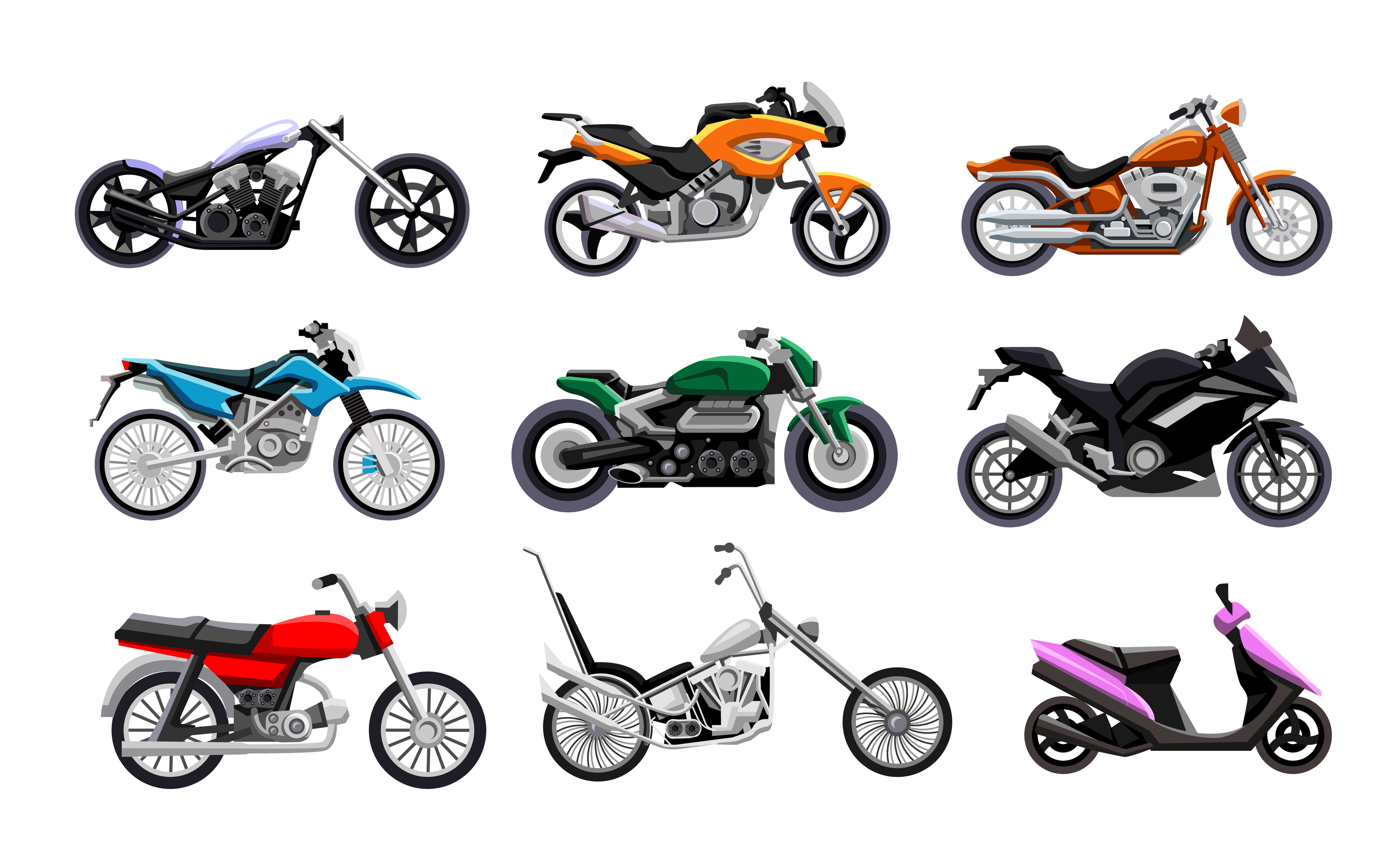
For many victims, the theft of a motorcycle is not simply an inconvenience. It can mean losing access to work, losing income, or facing months of disruption. In some cases, it leads riders to stop riding altogether. Reducing motorcycle theft starts with understanding why it happens and what genuinely helps prevent it.
Why motorcycles continue to be targeted
Motorcycles continue to feature heavily in vehicle theft figures. Their size and weight make them easier to move, and they are often parked in open or shared spaces rather than behind locked doors. Even well-maintained bikes can be stolen quickly if security is limited, predictable or poorly positioned.
Demand also plays a significant role. Stolen motorcycles may be sold intact, dismantled for parts, or exported overseas by organised criminal groups. Parts in particular can be difficult to trace once separated from the bike, making them attractive to offenders. The growth of online resale platforms has further increased the speed at which stolen bikes and components can be moved on.
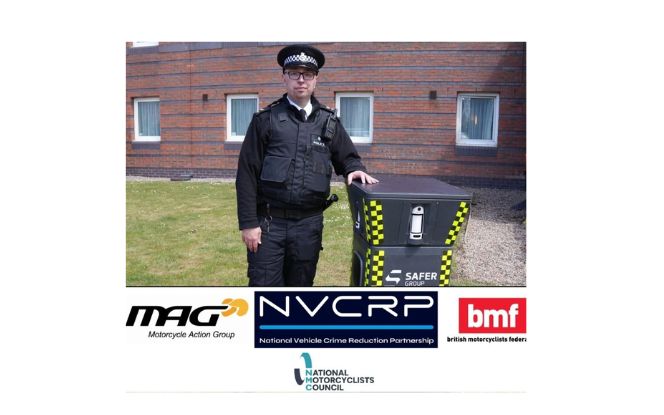
Policing operations linked to major motorcycling events highlight both the scale of the problem and what works when theft is taken seriously. During the 2025 Isle of Man TT period, Merseyside Police delivered significant reductions in motorbike theft across Liverpool as part of Operation Needle. With funding from the National Vehicle Crime Reduction Partnership, and in collaboration with rider and industry organisations including The Motorcycle Action Group and the British Motorcyclists Federation (BMF), the operation combined intelligence-led enforcement with practical prevention activity. This joined-up approach demonstrates how properly resourced, targeted action during high-risk periods can reduce theft and protect riders.
Read more: https://nvcrp.org/news/2025/8/joinedup-approach-to-bike-theft-delivers-2025-tt-victory/
The personal impact of motorbike theft
Behind every theft statistic is an individual rider. Many people rely on their motorcycle as their main form of transport. When it is stolen, daily routines can collapse overnight.
The longer-term impact can be just as serious. Insurance excesses and rising premiums can make replacing a bike difficult, while repeated theft or attempted theft can cause lasting stress and loss of confidence. For professional riders, including couriers and delivery workers, theft can result in immediate loss of income and uncertainty about future work.
How motorcycle theft commonly happens
Some motorcycle theft is opportunistic, but many incidents involve planning. Offenders may identify locations where bikes are regularly parked, return at quieter times, and arrive equipped to defeat common security measures.
Bikes may be lifted into vehicles by multiple offenders, making them quick to remove even when locked. In other cases, locks are attacked directly, particularly if they are thin, poorly positioned or not secured to an immovable object. Predictable parking routines and poorly lit locations can significantly increase risk.
Importantly, theft often happens in public places. Offenders rely on speed and confidence, knowing that passers-by may assume the activity is legitimate or may not feel able to intervene.
The role of technology and recovery
While prevention is always the priority, recovery remains a critical part of reducing the overall harm caused by motorcycle theft. A recovery at Tilbury docks reported in June 2025, where stolen motorbikes worth around £350,000 were intercepted before being exported, underlines how organised these crimes can be.
Read more: https://www.bbc.co.uk/news/articles/c1denv9eg6wo
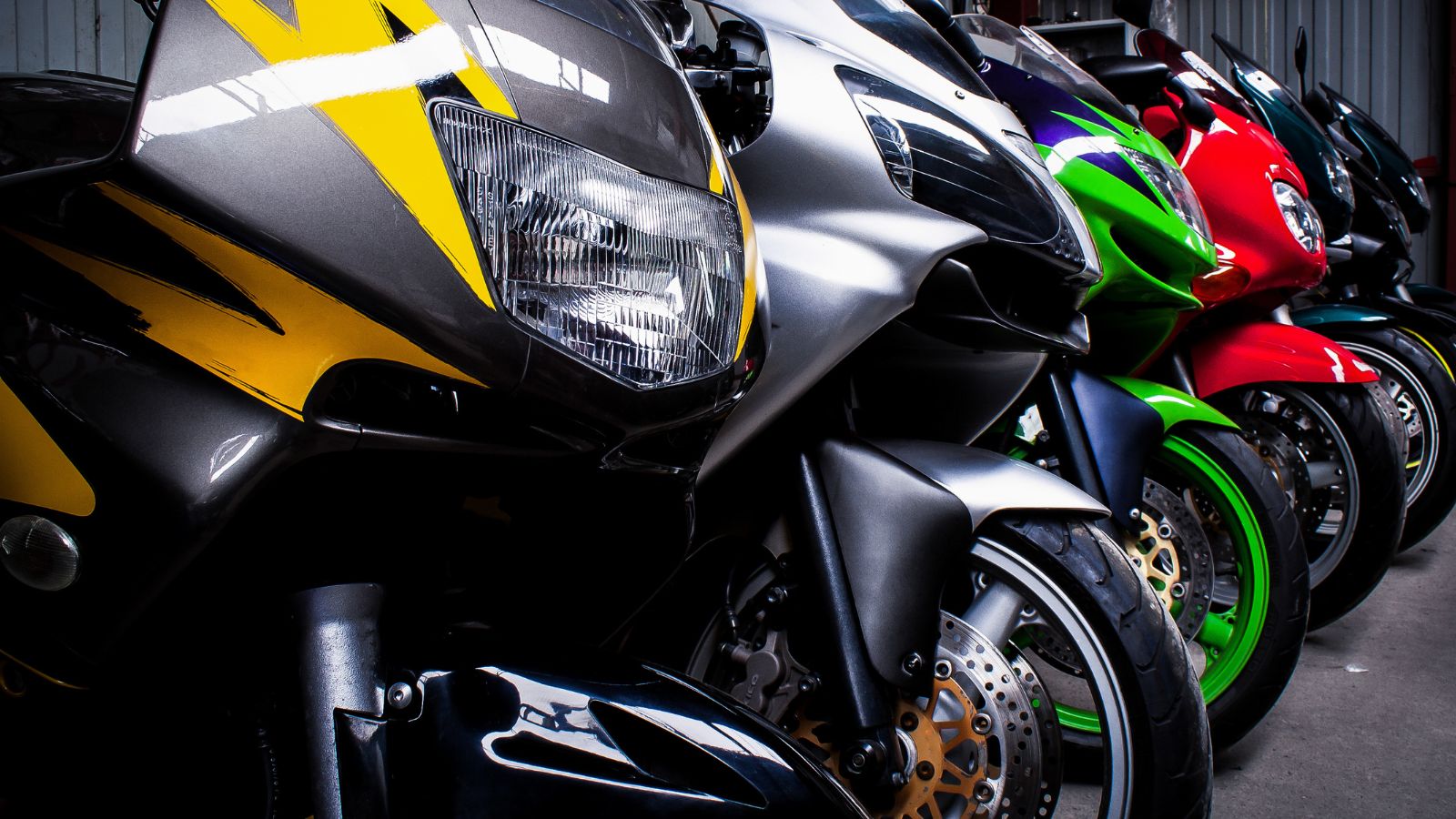
This case shows exactly why vehicle tracking technology is such a vital tool in the fight against theft. The ability to locate stolen motorcycles not only improves recovery rates but also helps law enforcement disrupt wider criminal networks involved in large-scale vehicle export. When tracking technology is combined with targeted policing and intelligence sharing, it becomes far harder for organised groups to operate undetected.
Understanding what deters theft
Most motorcycle thieves are not looking for the most valuable bike. They are looking for the easiest one to steal. Time, noise, effort, and risk all influence their decisions.
A bike that is clearly well protected, with strong locks, visible security and signs of traceability, presents a higher risk than one secured with minimal measures. When several bikes are parked together, the one with the weakest protection is more likely to be targeted.
Practical steps to reduce the risk of motorbike theft
|
Focus area
|
What to do
|
Why it helps
|
|
Physical security
|
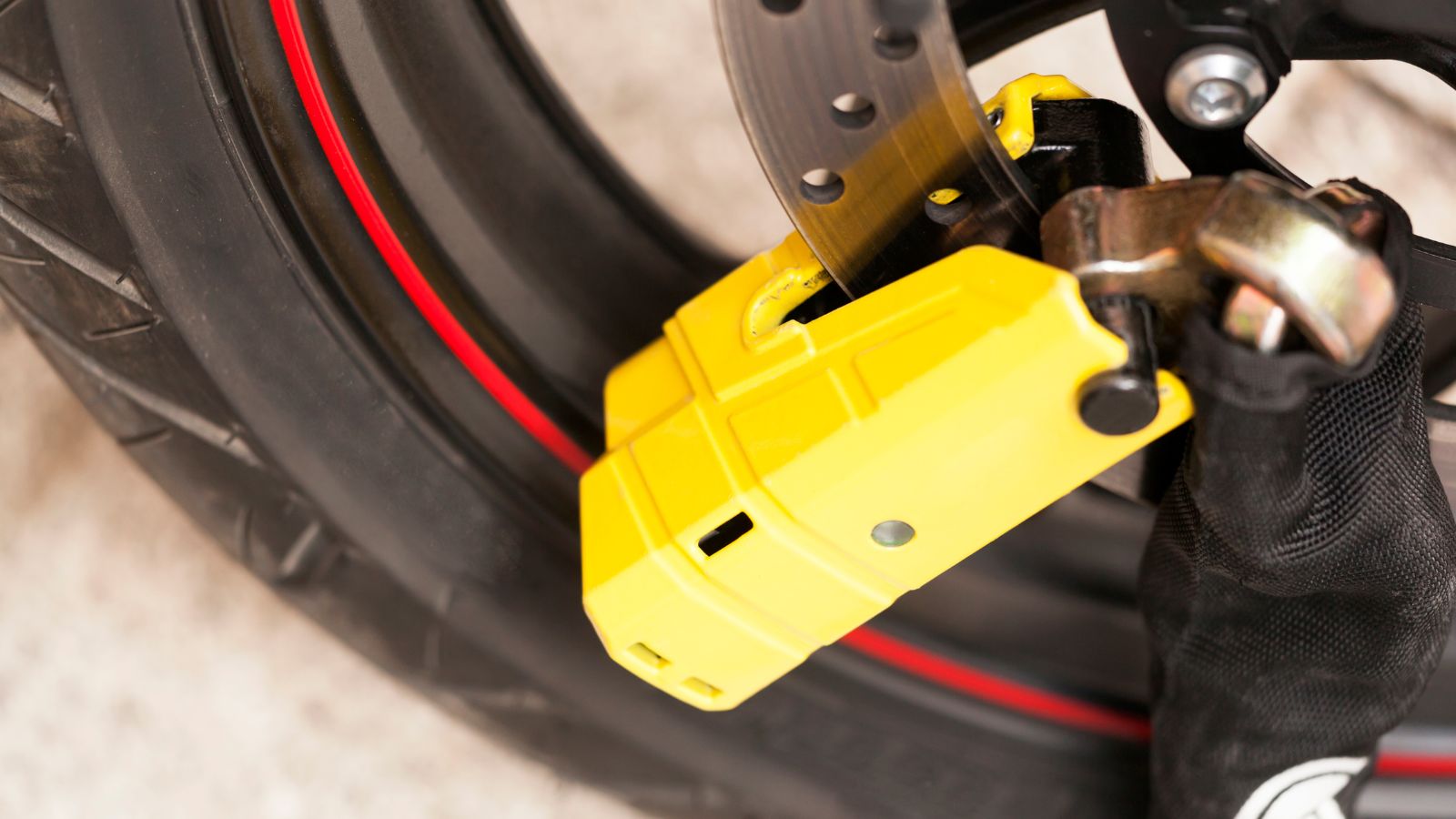
Use a high-quality chain + lock. Add a second lock type (e.g., chain + alarmed disc lock).
|
Adds time and effort; increases noise and risk for thieves.
|
|
Anchor the bike
|
Secure the bike to an immovable object (ground anchor/secure rail/fixed structure) whenever possible.
|
Prevents “lift and load” thefts and makes removal far harder.
|
|
Lock placement
|
Keep chains off the ground. Lock through the frame or rear wheel (not just a wheel). Place disc locks visibly.
|
Makes attacks more difficult and improves deterrence.
|
|
Parking choices
|
Choose well-lit areas with footfall and natural surveillance. Avoid quiet, hidden corners.
|
Reduces opportunities and increases the chance of attention if a theft is attempted.
|
|
Reduce routine
|
If practical, vary where you park, especially overnight.
|
Predictability allows offenders to plan; variation disrupts this.
|
|
Home security
|
Use a locked garage if available. If not, add a ground anchor, locked gates, security lighting and (where possible) CCTV.
|
Strengthens the “home base” where many bikes are targeted.
|
|
Electronic security
|
Use alarms/immobilisers. Consider a tracker (professionally fitted and maintained).
|
Deters opportunists; improves recovery chances and can disrupt organised theft.
|
|
Make it harder to sell
|
Use forensic marking and visible deterrent labels. Keep records: reg, VIN, make/model, colour, clear photos.
|
Reduces resale value and supports identification/recovery.
|
|
Everyday habits
|
Lock the bike every time, even for short stops. Use the steering lock alongside other security. Park with other well-secured bikes when possible.
|
Removes “easy win” moments thieves rely on.
|
|
Report suspicious behaviour
|
If you see people checking locks, circling parked bikes, or attempting to load a bike into a van, report it promptly.
|
Timely reports can prevent thefts and protect other riders.
|
Prevention is a shared effort
Reducing motorcycle theft requires action at multiple levels. Riders play a vital role through good security and awareness, but wider factors such as secure parking provision, the design of streets and public spaces, retailer standards and intelligence-led enforcement are also important.
Information sharing between riders, communities and organisations helps build a clearer picture of risk and supports targeted prevention. Over time, this collective approach makes theft harder, riskier and less profitable.
Looking ahead
Motorcycle theft is not inevitable. When security is layered, environments are designed with safety in mind, and awareness remains high, opportunities for theft are reduced. This protects riders, supports sustainable transport and helps maintain confidence in public spaces.
Keeping security strong, choosing safer places to park and staying informed can all help reduce motorcycle theft.