The National Vehicle Crime Reduction Partnership (NVCRP) has secured £485,000 in Home Office funding, which has already led to over £1 million worth of stolen vehicles being recovered and more than 100 arrests as part of a national crackdown on organised vehicle crime.
The coordinated week of action, known as Operation Alliances, was led by the National Police Chiefs’ Council (NPCC) and brought together policing and key partners, including the National Vehicle Crime Intelligence Service (NaVCIS) and Opal, the national policing intelligence unit for serious organised acquisitive crime.
The NVCRP secured £275,000 in dedicated Home Office funding to support enforcement activity across 37 police forces in England and Wales, targeting the complex, international operations of serious organised crime groups (OCGs) involved in vehicle theft, cloning, and export.
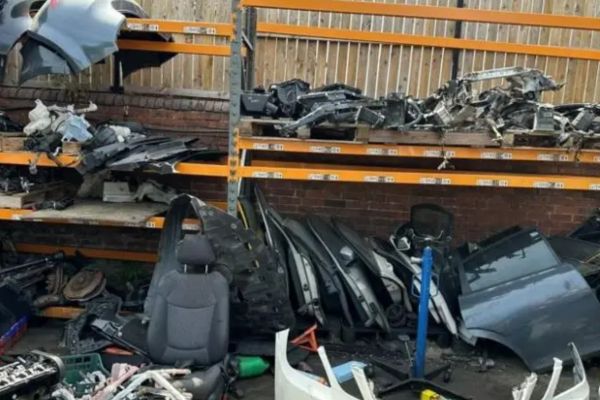
During Op Alliances six chop shops were located by police forces which are locations often used to dismantle stolen vehicles in order to sell or more easily export parts worth substantial amounts of money. Forces conducted 40 warrants and searches, locating additional chop shops, scrap yards and holding places for stolen vehicles. 76 intact suspected stolen vehicles were seized, including luxury cars, plant equipment and a number of motorcycles totalling more than £1m in value.
Mark Kameen, NVCRP Lead, commented: “In October, we launched a three-year national strategy to tackle vehicle crime, calling on private industry, automotive manufacturers, insurers, and the security sector, to partner with the NVCRP and invest in activity like this. Our goal is to build a dedicated, cross-border investigative capability to take the fight to organised crime groups operating in this space.
“The results of Operation Alliances were only made possible by the funding the NVCRP secured and clearly demonstrate what can be achieved when the right support and investment come together behind a common goal. It’s a powerful example of how targeted funding and strong partnerships can deliver real, tangible results in reducing vehicle crime.
“The simple fact is, if we want to see sustained and effective enforcement and disruption at this level, we need to work alongside private industry to secure ongoing investment. This will enable the NVCRP to develop a truly national capability and response, one that can match the scale, sophistication, and reach of the organised criminal networks we are determined to dismantle.”
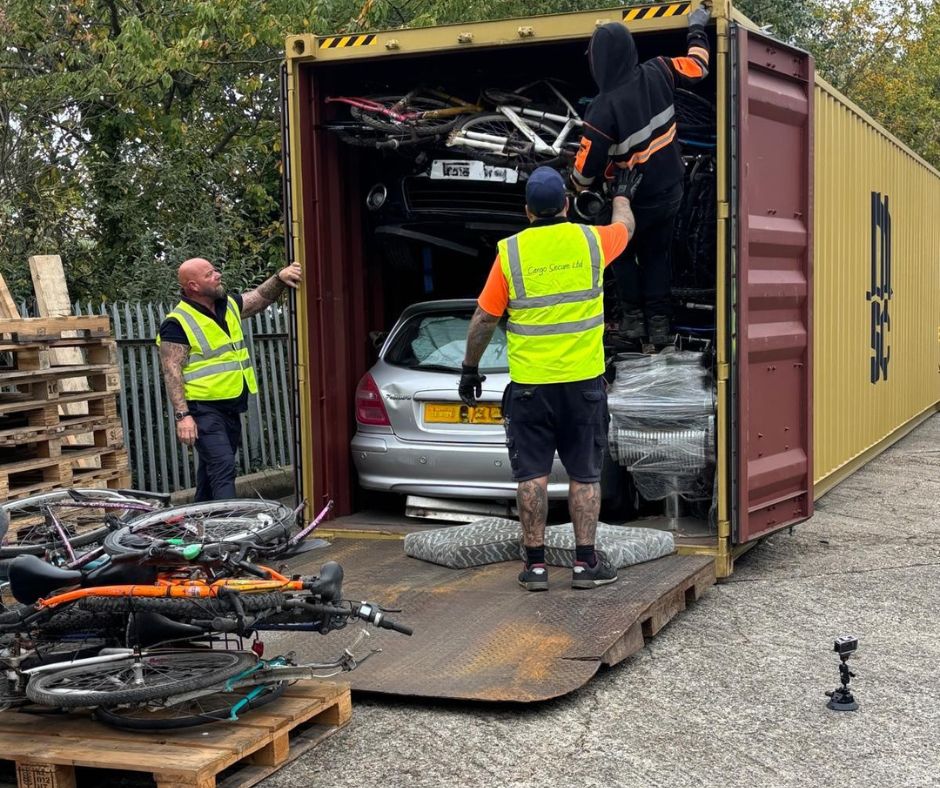
During the week Mark attended an operation at Felixstowe along with Opal and NaVCIS where numerous stolen cars were recovered. The first container held three stolen cars with another two stolen vehicles and a motor cycle hidden at the back of a second container. Mark also visited Twelve Quays Dock in Birkenhead with Merseyside Police Targeted Team and their Rural Wildlife Teams were engaged in an operation looking for stolen vehicles and plant machinery.
Crime and Policing Minister, Sarah Jones, said: “Without a car or van, many people are unable to work, take their children to school or care for their loved ones. Vehicle theft is a devastating crime that leaves families completely stuck.
“As this operation has shown, it can often be linked to other serious criminality. That’s why we have boosted funding to support and sustain this enforcement activity, and are also bringing forward legislation to ban electronic devices used to steal vehicles.
“I commend the officers and teams involved for bringing so many criminals to justice during this intensification week and look forward to seeing this great work continue.”
The remaining £210,000 from the Home Office funding will be used by the NVCRP to fund additional dedicated vehicle crime resources in Opal and NaVCIS and support the development of a comprehensive problem profile through analysis of freight and container data to identify emerging trends and criminal methodologies linked to vehicle crime.
The NVCRP funding follows a recent Royal United Services Institute (RUSI) report estimated that vehicle crime costs the UK economy more than £1.75 billion annually. The report also warned that OCGs have evolved into highly structured, technologically enabled networks, calling for the creation of a national body to lead investigative efforts, drive legislative reform, and secure tougher penalties. These recommendations are now embedded in the NVCRP’s three-year strategy, underpinning its mission to deliver a unified, intelligence-led approach to vehicle crime reduction.